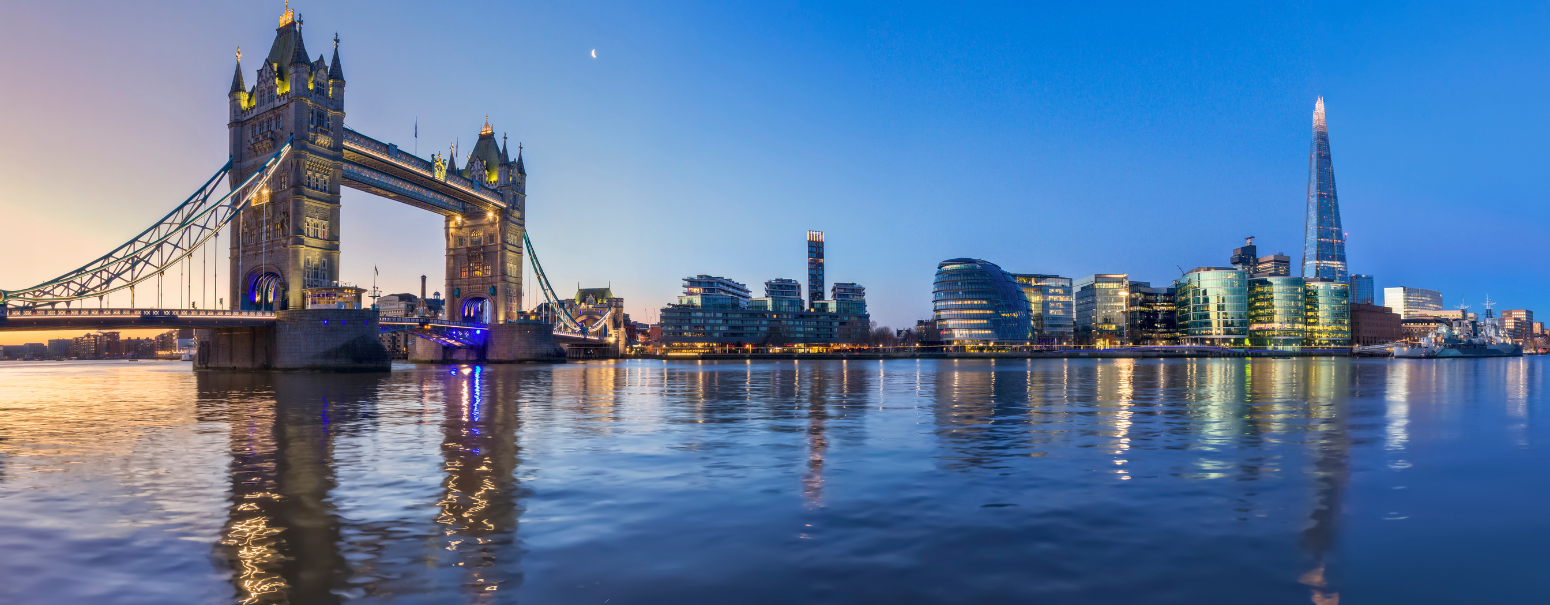
A Guide to the Best Things to Do in London
A Guide to the Best Things to Do in London
London is a capital that balances heritage with modern energy. Royal landmarks stand alongside rooftop bars, historic markets sit minutes from luxury boutiques, and world-class sport shares space with centuries-old cathedrals. Whether visiting for the first time or returning with fresh curiosity, these are the experiences that define the city at its best.
A Dream Day at Wimbledon
Wimbledon is the oldest tennis tournament in the world and remains one of London’s most prestigious sporting events. Held each summer at the All-England Lawn Tennis Club, securing a ticket is often considered a triumph in itself.
Beyond the matches, the atmosphere is steeped in tradition. Strawberries and cream, flowing Pimm’s and impeccably dressed crowds create a setting that feels unmistakably British. Whether seated on Centre Court or wandering the manicured grounds and watching matches on Henman Hill, it is an event that everyone should try to go to at least once in their life.
Ride the London Eye with a Glass of Bubbly
Standing at 135 metres, the London Eye was once the tallest observation wheel in the world and remains one of the capital’s most recognisable landmarks. Positioned on the South Bank, it offers one of the most comprehensive perspectives of London’s layout in a single, unhurried rotation.
The champagne experience enhances the occasion with priority boarding, a glass of bubbly and hosted commentary throughout the 30-minute journey. From the capsule, the Thames curves through the city, connecting the Houses of Parliament, St Paul’s Cathedral, Buckingham Palace and the evolving skyline beyond Canary Wharf. It is both a celebratory experience and a practical introduction to the geography of the capital.
Tour Buckingham Palace
Buckingham Palace has served as the official London residence of the British monarch since 1837 and remains the administrative heart of the Royal Household. Open to visitors during select periods of the year, it offers rare access to a working royal palace that is typically reserved for state occasions and official ceremonies.
The tour includes the opulent State Rooms, used for banquets and diplomatic receptions, along with the grand staircase, curated art collection and expansive palace gardens. Visitors walk through rooms that host world leaders and historic events, offering a closer look at the scale, craftsmanship and ceremony that define the British monarchy.
Visit St Paul’s Cathedral
Completed in 1710 after the Great Fire of London, St Paul’s Cathedral is one of the capital’s most recognisable landmarks. Designed by Sir Christopher Wren, its magnificent dome has shaped the London skyline for more than three centuries.
Inside, intricate mosaics, the vast cathedral dome and the celebrated Whispering Gallery reveal the building’s architectural brilliance. Climbing further to the Stone Gallery and the Golden Gallery rewards visitors with some of the most spectacular sweeping views across the city, stretching across the Thames and the historic rooftops of London.
Tour Westminster Abbey
Westminster Abbey has shaped British history for nearly a millennium and remains one of the nation’s most significant religious and ceremonial sites. Since 1066, every British monarch has been crowned within its walls, and it has hosted royal weddings, state funerals and national moments of remembrance.
Visitors can explore the abbey at their own pace, taking in its remarkable Gothic architecture, intricate stained glass and centuries of memorials. The building is also the resting place of many of Britain’s most influential figures, from monarchs to poets and scientists, including those honoured in the renowned Poets’ Corner.
Discover History at the Tower of London
Founded by William the Conqueror in 1066, the Tower of London has served as fortress, royal palace and infamous prison throughout its long history. Its imposing stone walls have witnessed centuries of political intrigue, imprisonment and power struggles that shaped the nation.
Today, the Tower houses the Crown Jewels, one of the most valuable royal collections in the world. Visitors can explore the medieval complex, hear stories from the Yeoman Warders and walk the grounds where some of the most dramatic chapters of British history unfolded.
Enjoy a Traditional English Breakfast at The Wolseley
Set along Piccadilly, The Wolseley has become one of London’s most celebrated grand cafés, known for its elegant European-style dining room and classic British menu. Housed in a former 1920s showroom with soaring ceilings and black-and-white marble floors, the space feels both historic and refined.
The restaurant is particularly renowned for its traditional English breakfast, served with the polished service and crisp white tablecloths that have made it a favourite among locals, visitors and notable figures alike. Reservations are highly recommended, as it remains one of the city’s most sought-after breakfast destinations.
Have an Indian inspired Afternoon Tea at Tiffin Tree
If you know afternoon tea, you know the ritual: tiered stands, delicate china, an unhurried few hours in good company.
TIFFIN TREE’S follows the same rhythm, but the flavours are entirely different. Instead of cucumber sandwiches, think crispy vegetable samosas and paneer pakoras. Swap scones for firecracker cauliflower with black truffle oil, or Amritsari machhi in spiced batter. And where you'd expect clotted cream, they’re serving Gulab jamun soaked in rose syrup, a Mango and Cardamom Delice and other delicious, sweet treats.
It's afternoon tea with an Indian menu.
Share Street Food at Borough Market
Borough Market is one of city’s most visited food markets.
Artisan cheeses, freshly prepared seafood, traditional fish and chips and global street food stalls create a vibrant mix of flavours. Sampling and sharing are part of the experience, making it easy to explore widely in a single visit. And yes, those famous chocolate covered strawberries can be found here as well.
Visit Southbank’s Food Market
Set along the Thames beside the Southbank Centre, this market combines London’s food culture with one of its most scenic riverside locations. Open regularly throughout the week, it brings together independent traders serving everything from global street food to freshly baked goods and classic British favourites.
Its appeal lies not only in variety but in setting — steps from the London Eye, the National Theatre and riverfront walking paths. It works particularly well as part of a broader Southbank itinerary, whether paired with a gallery visit, a theatre performance or a stroll across Waterloo Bridge. The surrounding cafés, pubs and cultural venues make it easy to extend the experience beyond a single meal.
Visit Columbia Road Flower Market
Every Sunday, Columbia Road transforms into a vibrant corridor of colour. Flower stalls line the street with everything from seasonal blooms to exotic plants, creating one of the most photogenic scenes in the city. Independent boutiques, cafés and galleries surrounding the market add to its charm, making it as much about atmosphere as it is about flowers.
Discover Old Spitalfields Market
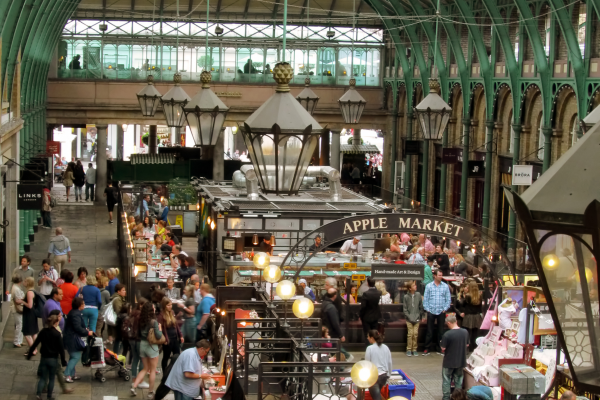
Old Spitalfields Market blends historic architecture with contemporary retail. Beneath its restored Victorian roof, visitors will find fashion brands, independent designers, art stalls and an impressive range of food vendors. It strikes a balance between heritage and modern creativity in the heart of East London.
Experience Petticoat Lane Market
Rooted in centuries of East End trading history, Petticoat Lane Market is known for its bustling energy and accessible fashion finds. It delivers a more traditional London market experience, where streetwear, accessories and bargain pieces dominate the scene. It remains a strong reflection of the area’s commercial heritage.
Dine at Rochelle Canteen
Tucked behind unassuming gates in Shoreditch, Rochelle Canteen offers modern British cooking in a secluded courtyard setting. Founded by Margot Henderson, the restaurant has built a respected reputation within London’s dining scene for its seasonal, ingredient-led approach. The menu focuses on simplicity and freshness, allowing high-quality produce to take centre stage. Particularly popular for lunch, it remains a favourite for those seeking understated, confident cooking, with desserts often considered a highlight of the experience.
Have a Martini at Duke’s Bar
Tucked inside Dukes London in St James’s, Duke’s Bar is widely regarded as the inspiration behind Ian Fleming’s famous James Bond martini. Fleming was known to frequent the hotel, and the bar’s meticulous approach to its signature serve has become part of London cocktail lore.
The martinis are prepared tableside from a trolley, stirred with precision and poured generously into chilled glasses. The space itself is intimate and understated, with a classic British elegance that feels unchanged by-passing trends. With a strict limit on the number of martinis served per guest, the experience is both theatrical and controlled — a refined ritual rather than simply a drink.
Stop for Coffee at WatchHouse
With multiple locations across London, WatchHouse has established itself as one of the city’s more refined specialty coffee brands. Known for its contemporary interiors and attention to detail, it attracts a loyal following among creatives and professionals alike.
Each cup is carefully sourced and prepared, with information provided on origin and brewing method, reflecting a commitment to transparency and quality.
Enjoy Rooftop Bars & Beer Gardens
For panoramic city views, Sky Garden (City of London) and Aqua Shard (London Bridge) deliver striking backdrops high above the Thames. In Peckham, Frank’s Café has become a seasonal favourite, known for its open-air setting and relaxed atmosphere. Radio Rooftop in Covent Garden offers central views paired with a more polished cocktail experience.
For something more laid-back, historic beer gardens such as The Spaniards Inn in Hampstead and The Churchill Arms in Kensington provide classic pub charm with generous outdoor space. In Hackney, The Culpeper pairs a rooftop garden with seasonal dining, blending greenery with East London energy.
Whether seeking skyline views or a traditional pint in a courtyard setting, rooftop bars and beer gardens remain integral to London’s social rhythm.
Picnic in London’s Parks
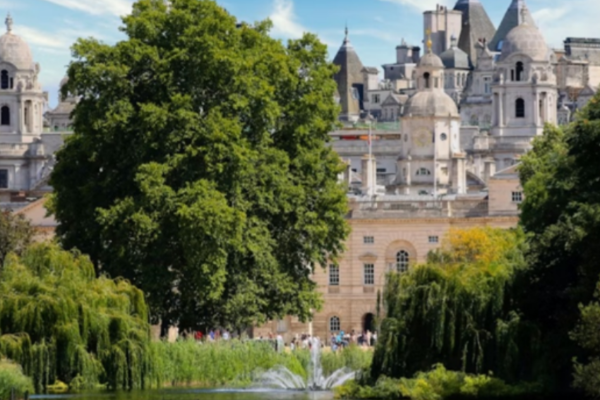
London’s green spaces are integral to the character of the city, offering wide expanses of nature within the urban landscape. Kensington Gardens is particularly well suited for a relaxed afternoon, with open lawns, tree-lined paths and the Diana Memorial Playground providing a family-friendly setting.
For one of the capital’s most recognisable viewpoints, Primrose Hill offers sweeping skyline views across central London, with landmarks such as The Shard and the London Eye visible in the distance. Bringing a picnic to one of these parks transforms a simple outing into a distinctly London experience — relaxed, scenic and woven into the city’s everyday rhythm.
Take a Walk Through Hyde Park
Hyde Park is one of London’s most iconic green spaces, often compared to New York’s Central Park, it provides expansive routes for walking and cycling, as well as peaceful corners around the Serpentine lake.
Beyond its scale, Hyde Park carries cultural significance from Speaker’s Corner to major public events and concerts held throughout the year. Its central location makes it a natural addition to visits to Kensington Palace, Harrods or Knightsbridge, while still offering a sense of calm away from the surrounding streets.
Soak Up the Energy of Hampstead Heath
Hampstead Heath offers a different side of London — less manicured, more expansive and deeply atmospheric. Its rolling meadows and wooded paths feel almost rural, yet Parliament Hill delivers one of the most celebrated skyline views in the capital.
The Hill Garden and Pergola introduce a touch of faded grandeur, with elevated walkways and wisteria-covered columns that feel worlds away from central London. Beyond the Heath itself, the surrounding neighbourhood of Hampstead is filled with historic pubs, independent cafés and village-style streets that retain a distinctly local character. It’s a place where London feels both vast and intimate at once.
Swim at a London Lido
Outdoor swimming has become one of London’s most distinctive urban traditions, offering a refreshing escape within some of the city’s most iconic green spaces. Lidos have long been part of London life, combining sport, community and open-air recreation.
Parliament Hill Lido, located on Hampstead Heath, is one of the capital’s best-known outdoor pools, celebrated for its Olympic-length size and views across the surrounding parkland. In Hyde Park, the Serpentine Lido offers a unique swimming experience in the heart of central London, with designated bathing areas set within the famous Serpentine lake. Together, they reflect a tradition that blends recreation, scenery and city life in a way few capitals can match.
Find more unique things to see and do in London.
Visit Kew Gardens
Recognised as a UNESCO World Heritage Site, Kew Gardens is one of the world’s most significant botanical institutions, home to the largest and most diverse collection of living plants on Earth. Spanning more than 300 acres along the Thames in southwest London, it combines scientific research with beautifully curated landscapes.
Visitors can explore the iconic Palm House, a soaring Victorian glasshouse that recreates a tropical rainforest climate, and the Temperate House, the largest surviving Victorian glass structure in the world. The Treetop Walkway offers elevated views across the gardens, while seasonal displays ensure there is always something in bloom. Both educational and restorative, Kew provides a rare opportunity to step into a globally important natural sanctuary without leaving the city.
Explore the City by Boat
London’s network of canals offers a quieter perspective on the city, far removed from the pace of its busy streets. A self-drive boat journey departing from Paddington takes visitors through the picturesque waterways of Little Venice and along Regent’s Canal.
Gliding past Maida Hill’s colourful houseboats and continuing towards Camden Lock, the route reveals a more residential and creative side of London. It’s a gentle way to experience the city from the water, passing hidden gardens, historic bridges and waterside cafés that are often missed from street level.
Ride the Emirates Cable Car
Connecting the Royal Docks with the Greenwich Peninsula, the Emirates Cable Car offers a unique way to cross the Thames while taking in panoramic views of East London. The short journey glides high above the river, revealing a different perspective of the capital’s modern skyline.
From the cabins, visitors can spot landmarks such as The O2 Arena, Canary Wharf and the busy Royal Docks below. The ride highlights a part of London shaped by maritime history and ongoing redevelopment, offering a striking contrast to the historic sights found in the city’s centre.
Spend an Evening in the West End
London’s West End is one of the world’s most celebrated theatre districts, home to an extraordinary concentration of historic playhouses and internationally acclaimed productions. From long-running classics such as The Lion King, Les Misérables and Wicked to new shows that debut each year, the area offers a diverse range of performances for every audience.
Beyond the theatres themselves, the surrounding streets of Soho and Covent Garden are filled with restaurants, cocktail bars and late-night cafés, making it easy to turn a show into a full evening out. Few experiences capture the cultural energy of London quite like a night in the West End.
Experience Open-Air Cinema & Theatre
Outdoor performances offer a different way to enjoy London’s cultural scene, combining entertainment with unique settings across the city. Regent’s Park Open Air Theatre, set within the park’s landscaped gardens, is one of the most celebrated venues of its kind, presenting acclaimed productions in an atmospheric outdoor amphitheatre.
For film lovers, Luna Cinema hosts screenings at historic locations across London during the summers, while Rooftop Film Club in Stratford and Peckham pairs classic and contemporary movies with skyline views. Watching a performance or film under the open sky adds a memorable dimension to the city’s entertainment offering.
Experience Notting Hill Carnival
Held annually over the August bank holiday weekend, Notting Hill Carnival is one of Europe’s largest street festivals and a defining celebration of Caribbean culture in the UK. Established in the 1960s by London’s Caribbean community, the event began as a response to racial tensions and has since grown into a powerful expression of resilience, identity and cultural pride.
Over the course of the weekend, the streets of Notting Hill fill with elaborate costumes, steel bands, sound systems and food stalls serving Caribbean classics. Millions attend each year, transforming the neighbourhood into a vibrant procession of colour and music. More than a festival, it is a living tribute to the communities that helped shape modern London.
Attend a Football Match
Football is woven into London’s identity, with the capital home to more top-flight clubs than any other European city. From the historic rivalries of North London to the riverside setting of Craven Cottage, each stadium offers its own atmosphere and tradition.
Clubs such as Arsenal (Emirates Stadium), Chelsea (Stamford Bridge), West Ham United (London Stadium), Fulham and Tottenham Hotspur regularly host Premier League and cup fixtures throughout the season. The Tottenham Hotspur Stadium is considered one of the most technologically advanced stadiums in the world. Attending a match provides more than sporting entertainment, it offers insight into local loyalty, community pride and the electric energy that defines English football culture.
Enjoy a Boujie Shopping Day
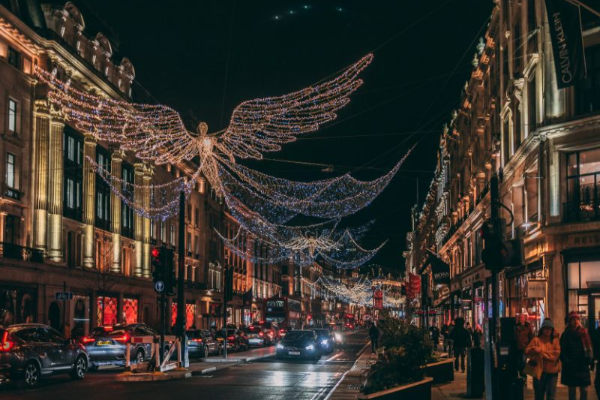
Mayfair and Knightsbridge represent the height of London’s luxury retail scene. Along Bond Street flagship designer boutiques sit behind discreet façades, showcasing heritage fashion houses alongside contemporary labels. Regent Street and Oxford Street add scale and spectacle, housing some of the world’s most recognisable brands in landmark buildings.
In Knightsbridge, Harrods remains an institution in its own right. Opened in 1849, the department store has become synonymous with opulence, from its grand food halls to its curated designer floors. Just moments away, Harvey Nichols offers a more fashion-forward alternative with a sleek, modern edge. Together, these neighbourhoods deliver more than shopping, they offer a glimpse into London’s long-standing relationship with style, craftsmanship and global luxury.
Go Shopping in Shoreditch
For a contrast to London’s polished luxury districts, Shoreditch delivers a more creative and independent retail experience. The neighbourhood has long been associated with London’s design and tech scenes, and its shopping reflects that energy. Redchurch Street and surrounding lanes are home to contemporary boutiques, concept stores and emerging designers, while Brick Lane is known for vintage finds and streetwear.
BOXPARK, constructed from repurposed shipping containers, adds a modern edge with rotating independent brands and food vendors. Beyond shopping, the area is defined by street art, coffee shops and a strong local identity, making it as much about atmosphere as it is about retail.
Browse London’s Street Bookshops
Tucked between Charing Cross Road and St Martin’s Lane, Cecil Court in Covent Garden is one of London’s most distinctive literary streets. Often referred to as “Booksellers’ Row,” this short, pedestrianised lane is lined with independent bookshops specialising in rare editions, antiquarian finds, vintage maps and film memorabilia.
Its preserved shopfronts and old-world signage give the street a timeless quality, making it feel removed from the surrounding West End bustle. Beyond Cecil Court, pockets of Notting Hill and other neighbourhoods offer second-hand stalls and specialist stores that reward unhurried browsing. For collectors, readers and the simply curious, London’s street bookshops offer character that large chains cannot replicate.
Step into a Movie Scene at Leadenhall Market
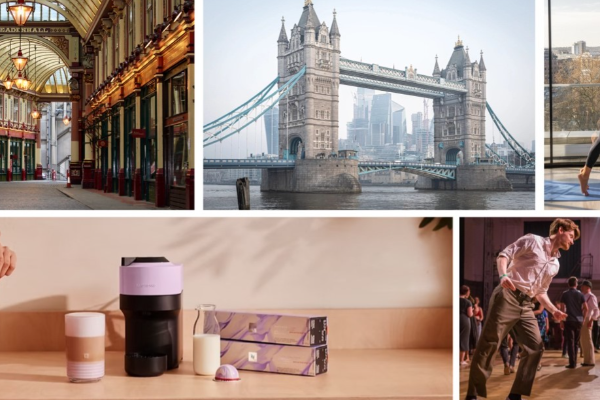
Dating back to the 14th century, Leadenhall Market is one of London’s oldest covered markets, set within the heart of the city. The current structure, redesigned in 1881 by architect Sir Horace Jones, is defined by its ornate Victorian ironwork, painted ceilings and cobbled walkways, creating a setting that feels almost theatrical.
Its cinematic quality has made it a natural filming location, most notably serving as the entrance to Diagon Alley in the Harry Potter films. Beyond its screen presence, the market remains home to independent shops, traditional pubs and boutique retailers. It offers a striking contrast to the surrounding financial district, a preserved slice of historic London framed by modern skyscrapers.
Take in the Views at Sky Garden
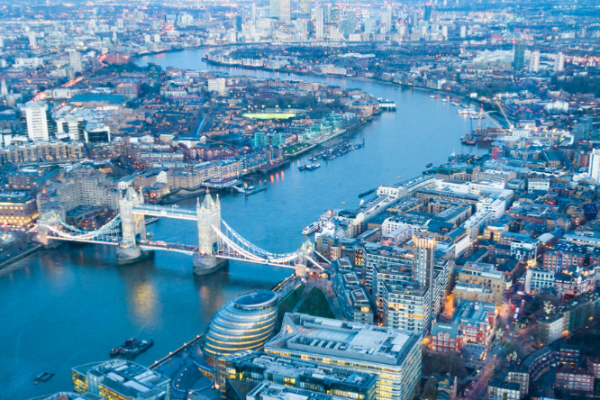
Perched atop the landmark 20 Fenchurch Street building (often nicknamed the “Walkie Talkie”) Sky Garden offers one of London’s most striking public viewpoints. Spread across multiple levels, the space combines landscaped greenery with floor-to-ceiling glass walls that frame sweeping views of the Thames, St Paul’s Cathedral, Tower Bridge and the surrounding City skyline.
What sets it apart is accessibility. Entry is complimentary with advance booking, making it one of the few elevated vantage points in London that does not require a ticketed fee. While restaurants and bars sit within the space, many visitors come simply to take in the panorama, a rare opportunity to experience a rooftop garden high above the financial district with uninterrupted views across the capital.
Explore Guildhall Yard
Tucked within the City of London, Guildhall Yard offers a quieter pause amid the surrounding financial district. Framed by the medieval Guildhall which has stood on the site for over 600 years the courtyard reflects the civic heart of the ancient City.
Beneath the yard lie the remains of London’s Roman Amphitheatre, discovered in the 1980s and dating back to the 1st century AD. Once used for public gatherings and gladiatorial contests, its foundations can still be viewed within Guildhall Art Gallery. The contrast between Roman ruins, medieval architecture and modern skyscrapers makes this small square a powerful reminder of the city’s layered history.
Step Inside the Royal Exchange
Founded in 1571 by Sir Thomas Gresham as a centre for merchants and traders, the Royal Exchange played a pivotal role in establishing London as a global financial capital. Although the current neoclassical building dates to the 19th century following earlier fires, its grand colonnade and central courtyard still reflect the confidence and scale of Britain’s trading history.
Today, the space has evolved into a refined destination for luxury boutiques and fine dining, set beneath its striking architectural canopy. The contrast between its commercial origins and its modern retail presence makes it more than a shopping stop, it is a living reminder of the City’s centuries-long role in global commerce.
Ready to Plan Your London Adventure?
Begin planning your London visit at bookitplease.com and discover a stay that elevates the entire experience.
Looking for more London travel guides? Check out our complete guides to things to do in London throughout the year, plus insider tips on the best neighbourhoods to stay in, unique things to see and do, top restaurants, and discover areas only locals know about.
.jpg)


-min.png)


.png)


.jpg)


 SEARCH
