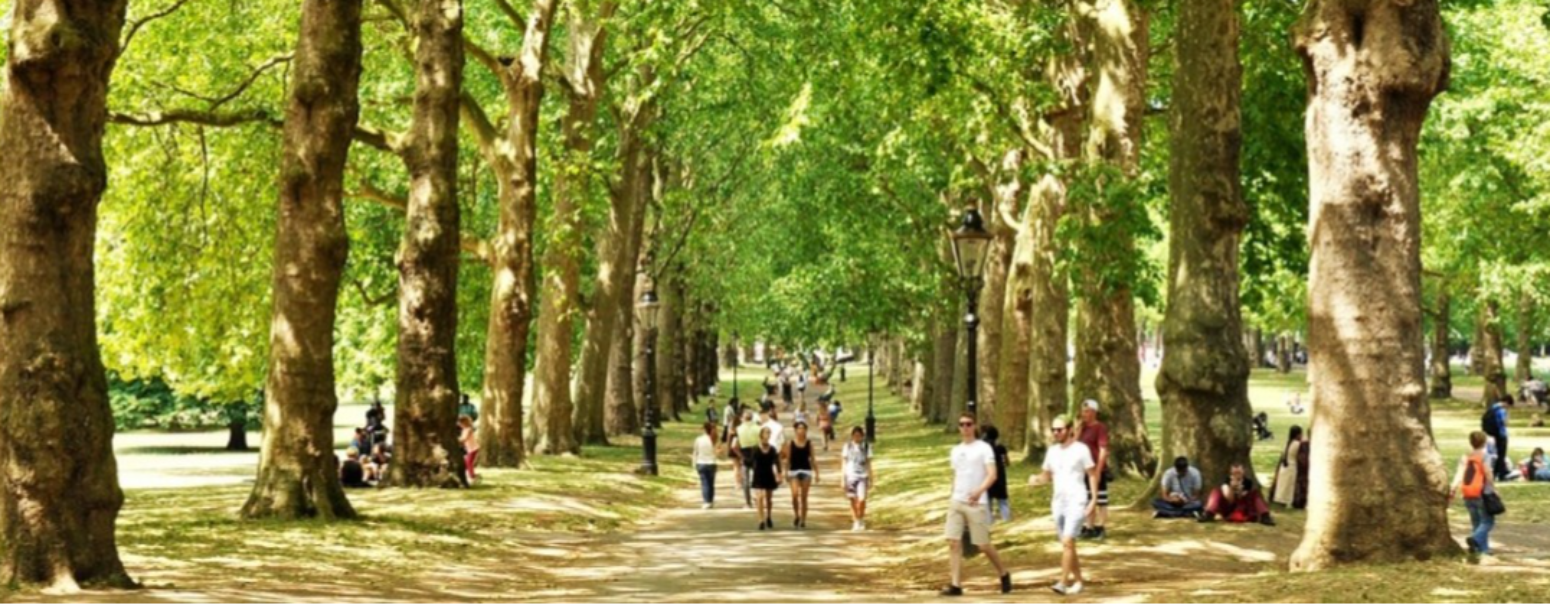
London's Hidden Green Spaces That Are Worth the Detour
London’s best-known parks are the ones that everyone already knows what they look like: Hyde Park, Primrose Hill, St James’s Park. But across the city are smaller green spaces that most visitors - and even many locals - walk past without knowing they’re in reach. Some were reshaped by wartime bombing; others were gifts from overseas, and all remain surprisingly peaceful despite being only minutes from some of London’s busiest landmarks.
Whether you’re looking for somewhere to eat lunch, read a book or simply take a break from sightseeing, these spaces are perfect for exactly that – plus each has a fascinating story, making it a visit that will stand out. The green spaces below don’t cost anything to visit and explore.
St Dunstan in the East
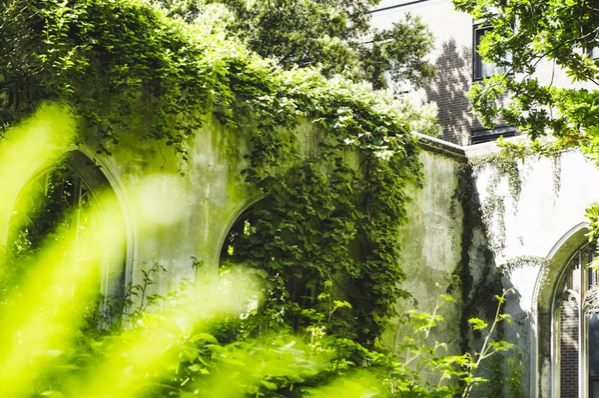
Just a few minutes’ walk from the Tower of London, St Dunstan in the East was founded around 1100 and has one of the longest histories of any church in the capital. It was dedicated to St Dunstan, a 10th century Archbishop of Canterbury and Bishop of London. Sir Christopher Wren rebuilt the church due to the damages it sustained in the Great Fire of London in 1666, but it suffered further damage during the Blitz in 1941 and was not rebuilt.
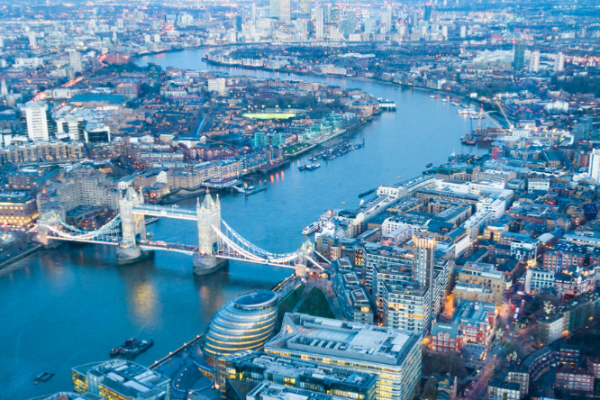
Fig trees and climbing plants now grow straight through the empty Gothic window frames, and the roofless nave has become one of the few quiet spots in the Square Mile at lunchtime. It's free to enter and easy to include on a walk between the Tower of London, Tower Bridge and the Monument.
Hill Garden and Pergola

Tucked into the north-west corner of Hampstead Heath, is one of London’s most photogenic and lesser-known green spaces. It was once the private garden of a now demolished manor house owned by soap magnate and philanthropist William Lever, late Lord Leverhulme. Built in the early 20th century, the raised walkway was originally designed for luxurious Edwardian Garden parties.
Today wisteria and climbing roses spill over the stone columns, framing views across the Heath from the elevated parkways. Even though it is just a short journey from central London, it is incredibly peaceful and quiet.
It is free to the public and opening times do vary throughout the year, so it’s worth checking before you visit. The closest station to the gardens is Hampstead Tube station, just a 15-minute walk from the gardens.
Kyoto Garden
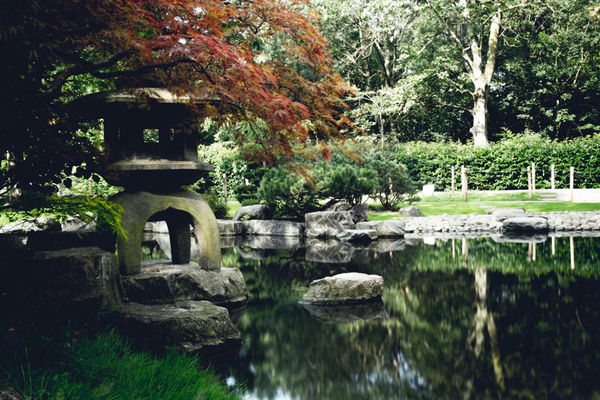
Holland Park’s biggest surprise is walled off in one if its corners: a Japanese garden opened in 1991. The garden was a gift from the Kyoto Chamber of Commerce, to celebrate the friendship between Japan and Great Britain and was created to commemorate the 1992 Japan Festival in London.
The garden follows traditional Japanese designs, and at the heart of the garden lies a tiered waterfall running into a pond home to colourful koi. The sound of running water makes it easy to forget that Kensington High Street is only a short walk away. The traditional Japanese features, which include maple trees, cherry blossoms and stone lanterns, help create an authentic aesthetic, and make it an ideal peaceful retreat. Peacocks, which roam freely through Holland Park, are often spotted wandering past the water's edge, adding an unexpected touch to an already peaceful setting.
By visiting in spring, it allows you to see the cherry blossoms in bloom, whereas visiting in autumn allows you to see the maple trees in shades of red and gold. The garden is free to visit and open daily, from 7:30am until 30 minutes before dusk. Be mindful of the garden’s tranquil atmosphere and keep noise to a minimum, avoid feeding the koi, and respect the local wildlife.
St John’s Lodge Garden

Hidden behind tall hedges and tucked off Regents Park, St John’s Garden is one of the places that’s easy to miss, even for locals. While families head towards London Zoo or just stay in the park for a picnic, this secluded garden remains a peaceful escape just moments away.
St John’s Lodge is one of only two surviving villas from John Nash’s original 1811 vision for Regents Park. In the early 20th century, landscape architect Robert Weir Schultz redesigned the grounds as a place for quiet reflection, creating the layout that visitors still enjoy to this day.
At its centre stands Henry Pegram’s Hylas and the Nymph, a bold bronze sculpture surrounded by clipped hedges, stone urns and long herbaceous boarders that change with the season. In the spring and summer, wisteria and climbing roses soften the structure as they climb up, while the long central walk draws the eye towards the striking statue.
Unlike many of London’s better-known green spaces, St John’s Lodge Garden rarely feels crowded. It is the perfect spot to stop with a book or simply enjoy the quieter side of Regents Park before continuing on to nearby Primrose Hill, London Zoo or the park’s famous rose garden.
A Different Side of London
London’s famous parks always draw the crowds and attention, but these smaller spaces tell stories that are easy to miss if you stick with the crowd and main attractions. From the ivy-covered ruins of St Dunstan in the East to the formal gardens hidden inside Regent's Park, each offers a different perspective on the capital's history, architecture and communities. These places make it easier to slow down, rather than rush through proving that some of London's most memorable moments happen away from the busiest streets.
Planning to explore London’s quieter side? Step off the well-worn tourist path and discover a quieter side of the capital. Find a hotel that puts the city’s lesser-known gems within easy reach, so you don’t have to rush to catch the last train home. Browse London accommodation on bookitplease.com to find the perfect hotel and location when discovering these hidden spaces.
Looking for more London travel guides? Check out our complete guides to things to do in London throughout the year, plus insider tips on the best neighbourhoods to stay in, top restaurants, and discover areas only locals know about.
.jpg)


-min.png)




.png)


.jpg)

 SEARCH
